
The Forgotten Block
By Shanel Adams
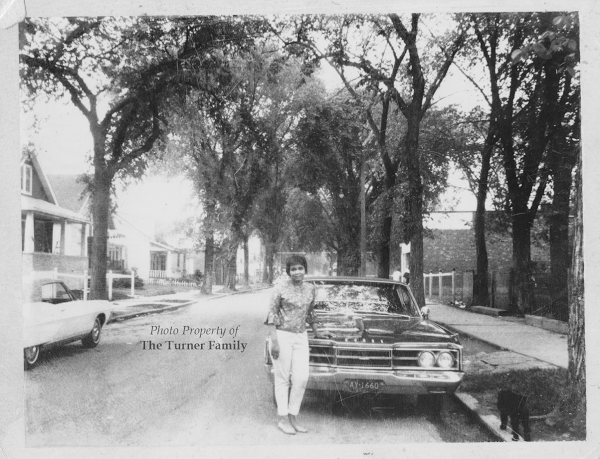
Mrs. Turner had to convince her husband that it was worth it. As a Mississippi farm boy, he was satisfied with renting their nice house in the city. Why leave? Her answer was that they needed their own home. That wasn’t a good enough response for him so he turned his back to her and went to sleep. But Mildred was determined. While Mr. Turner was at his plant job, there wasn’t an empty house in Detroit that she didn’t walk through. After finally finding the perfect green bungalow on a lively block on Yellowstone Street, she begged for him to take a look. He gave in. Before they knew it, they were all moved in as homeowners. Even Mr. Turner couldn’t contain his pride. It was 1963...
Detroit Summers: 6 Places You Must Visit
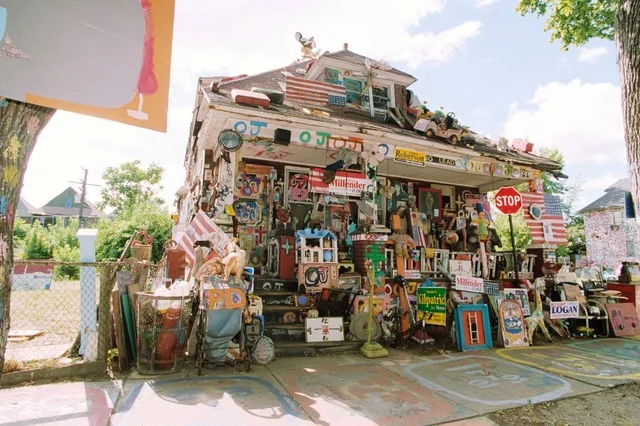
Detroit has always been an interesting place to be. It's full of music, art, fashion, and sights to see like any other city, but most of it has been created by the people when they had nothing else. Recently the city is in the process of being revitalized, and it has only added to the repertoire it already had laid out. Here is a list of some great places to visit during your Detroit Summer.
Never Forgetting Victims Again: Detroit Rape Kits
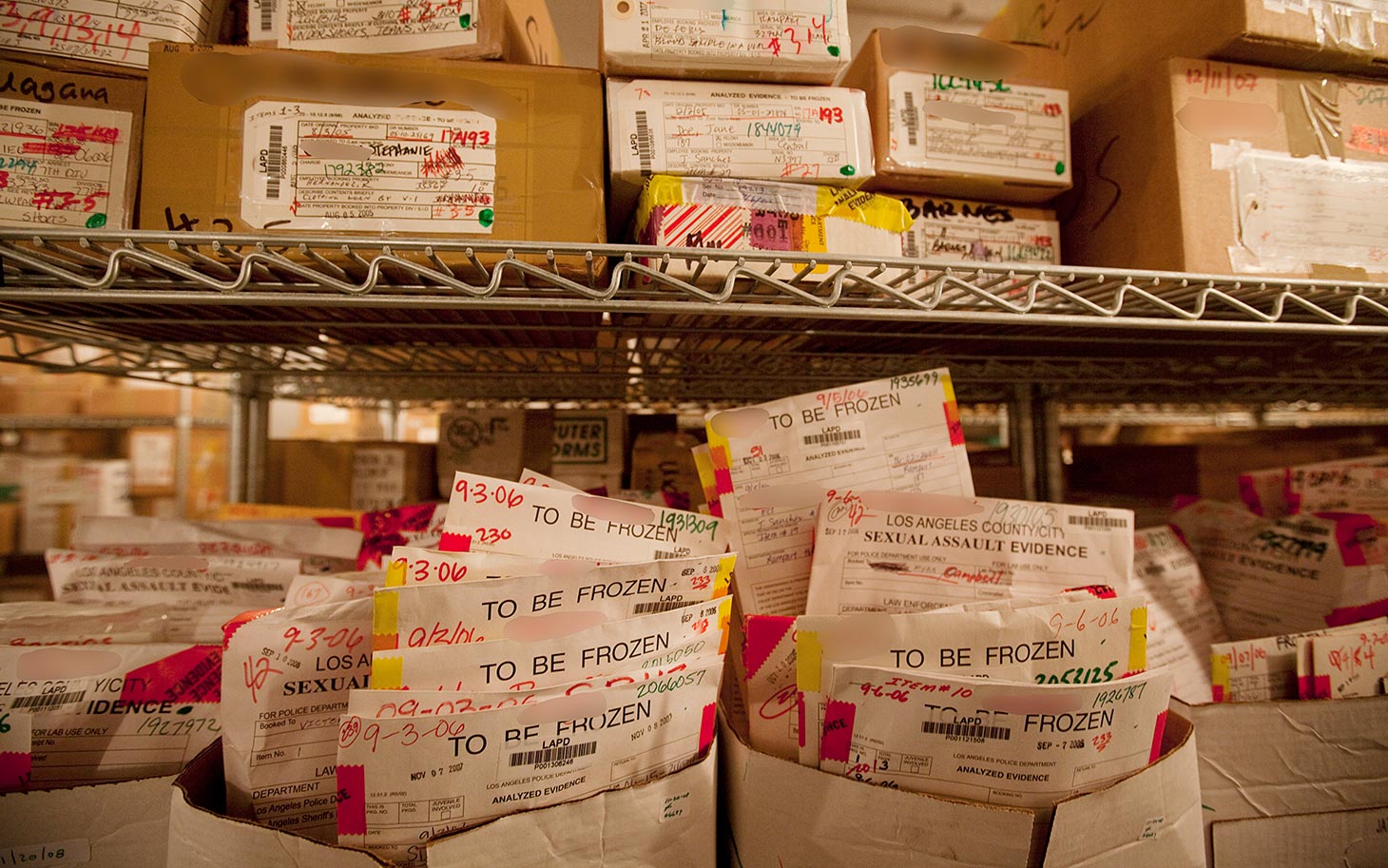
In 2009, over 11,000 untested rape kits were found in a police storage facility in Detroit, MI. This was alarming because thousands of victims had no closure and thousands of criminals were still roaming the streets. With the help of the state, Wayne County Prosecutor Kym Worthy, organizations like End The Backlog, and the citizens of the city, almost all of the kits have been tested. As of September 2015 2,616 suspects had been identified, including 477 serial rapists, and 21 convictions have been secured
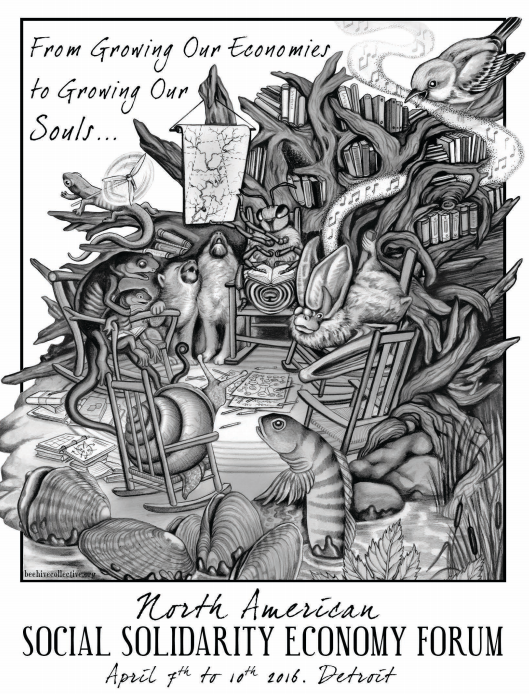
Social Solidarity Economy Forum Visits North America
From April 7th - 10th, I had the honor of co-coordinating, along with Emily Kawano from RIPESS, NA, a convergence of hundreds in Detroit for the North American Social Solidarity Economy Forum. It was the first time the Social Solidarity Economy Forum had been held in North America. Presenters and participants came from Cuba, Quebec, Spain, Jackson, MS, St. Louis, MO, New York and all across the globe. We also had many participants and presenters from Detroit who shared the work that Detroiters are doing locally, as well as their Detroit collaborations across the globe.
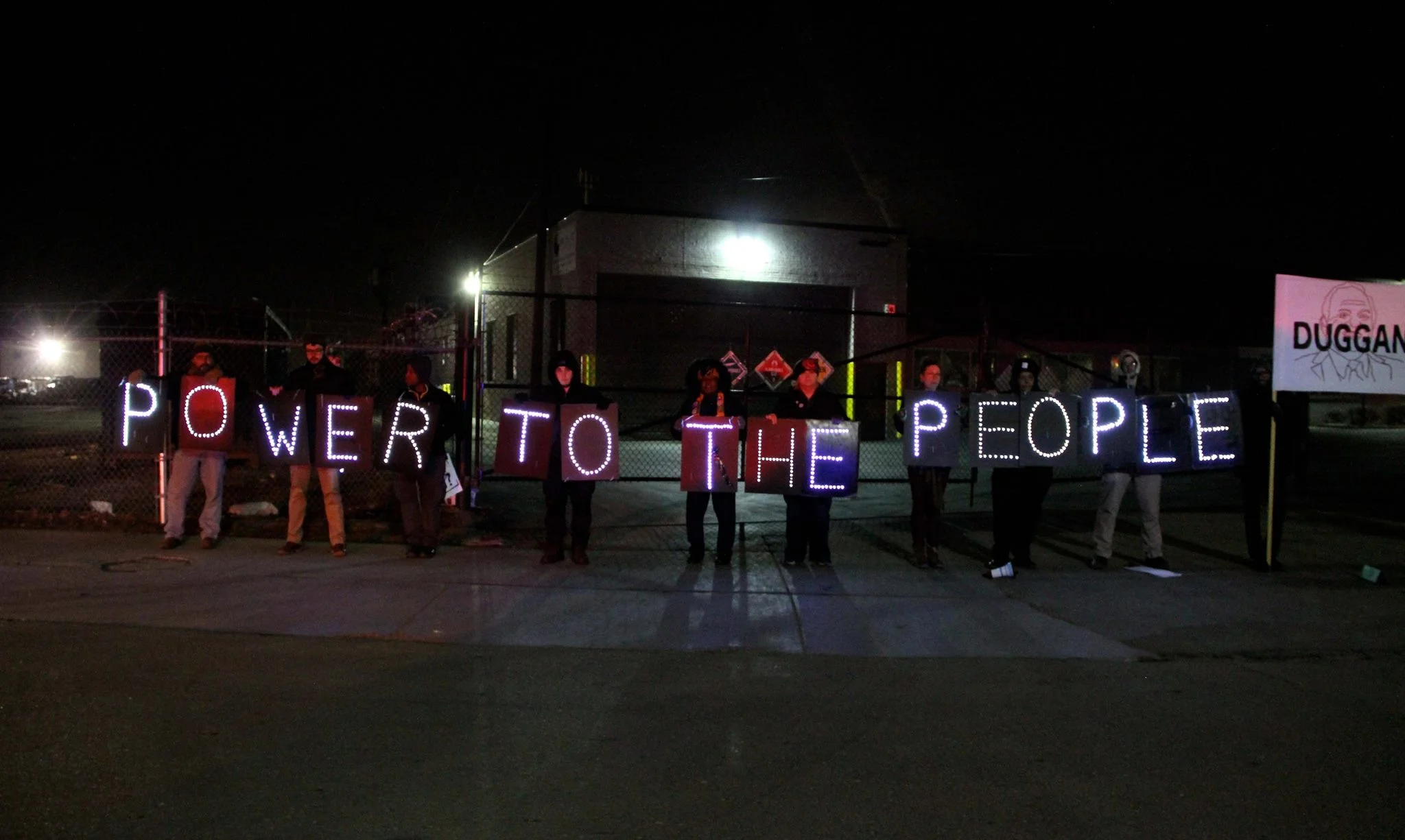
"Shut up Duggan": Why We Confronted Mayor Duggan at his State of the City Address
by Dakarai Carter and Paige Watkins
Only 5 of us went in, understanding the room would be filled with thousands of people - still determined to have our voices heard. We knew that the mayor would get on that stage and talk about his plans for the city and boast his idea of progress and solutions. What we also knew is that he would not be honest about his involvement in the displacement of poor and Black Detroiters nor about his complicity in the continued disinvestment and disenfranchisement of communities through corporate takeover, emergency management and hyper-surveillance.
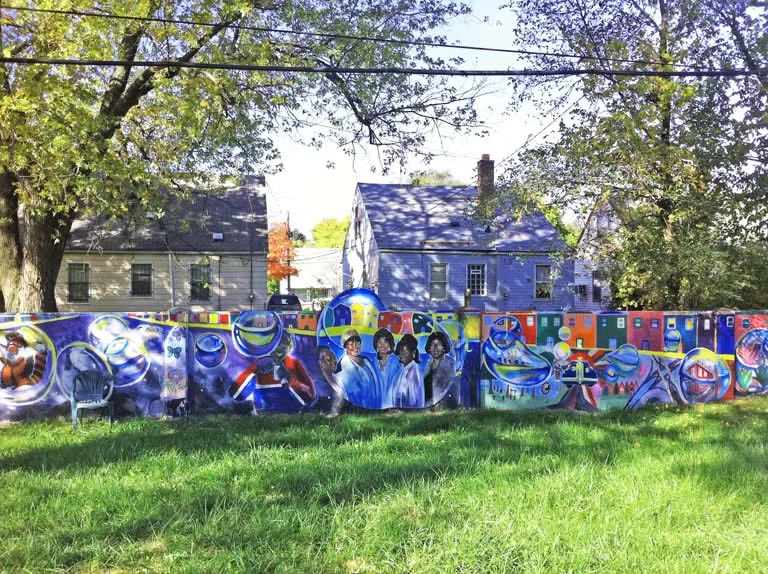
Detroit Untold: The 8 Mile Wall
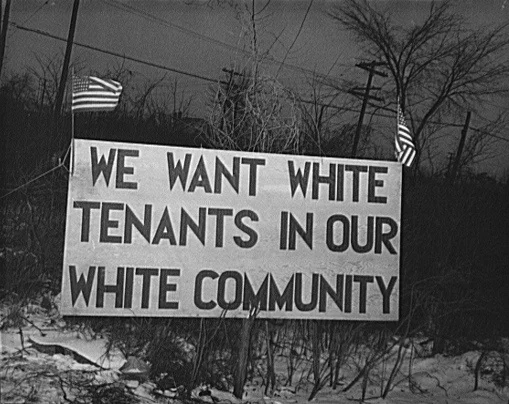
As the demographics of the city are changing and more white people are moving back to the city we must reflect on the city's past in order to keep us from going back to our old ways of racial division and tension. The "8 Mile Wall" is a clear example of something we never want to go back to.
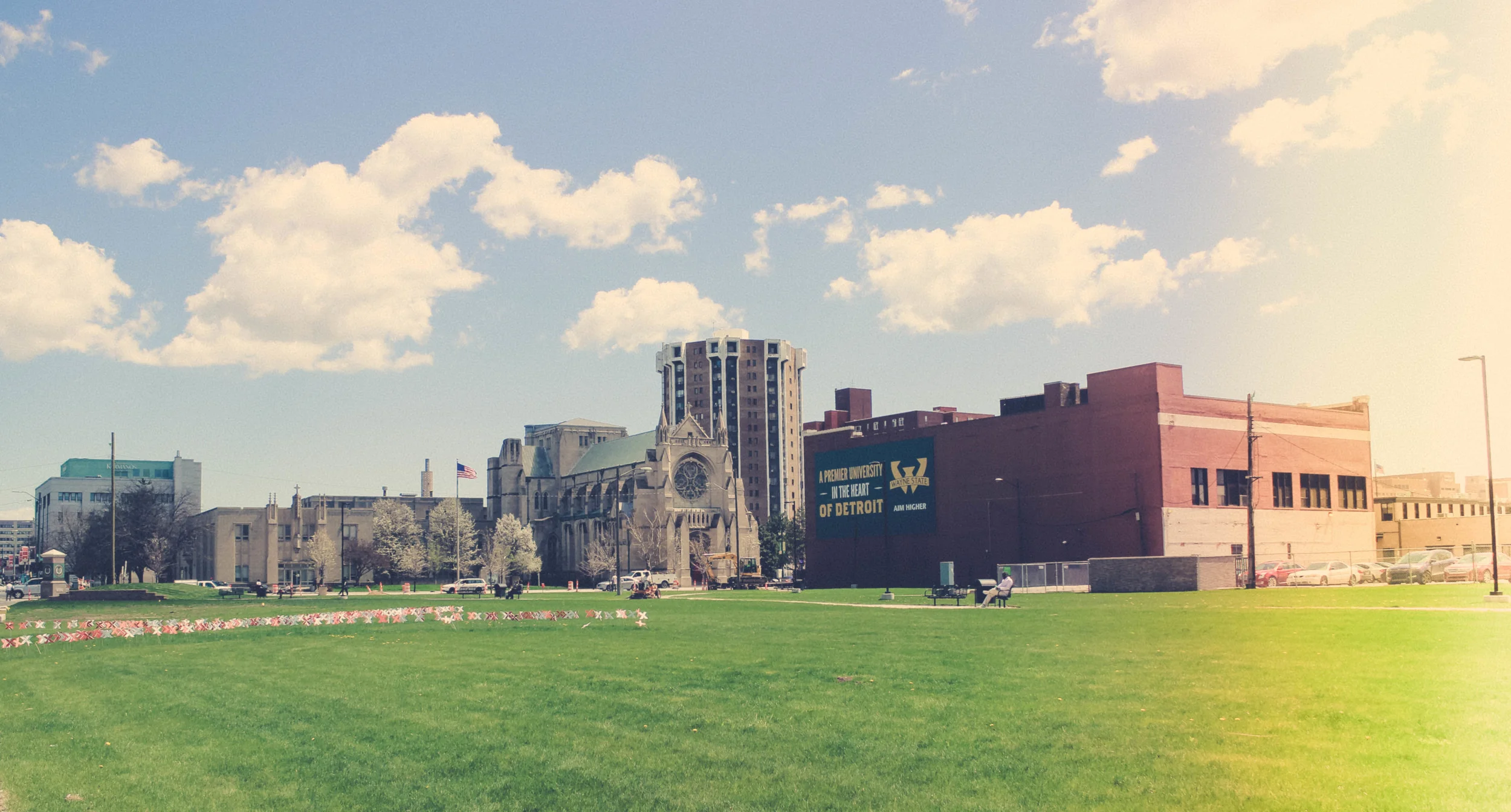
Detroit, Revitalization and the Obliteration of History
by Eli Day
There's a revivalist lullaby being sung about Detroit--one that croons of a city lifting itself up and vanquishing the ghosts of its tortured history simply by looking past them. Yet even as it crescendos, longtime residents seem to have failed, or perhaps refused, to brim with the untrammeled hope the lullaby urges. We needn't labor in the dark as to why: there is no whistling past a history whose boot remains planted on your neck.
Police Brutality, Detroit and the History of Organized Intervention
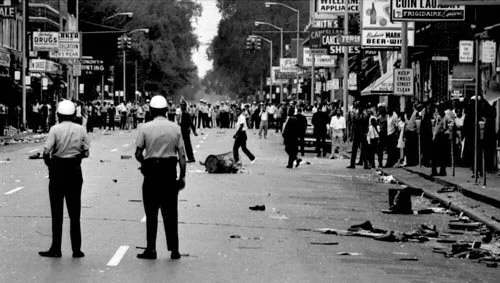
Last week I witnessed what happens when police officers are properly trained in de-escalation and when community members respond accordingly. A scene at the corner of my street, which at its height had at least 12 police cars and 20-30 community members, ended with no lives lost. I am cognizant of the fact that decades of organizing, was at least partially responsible for how the officers responded to the incident on my street.
Healing Detroit: Moving Toward a Transitional Justice
by Eric Riley
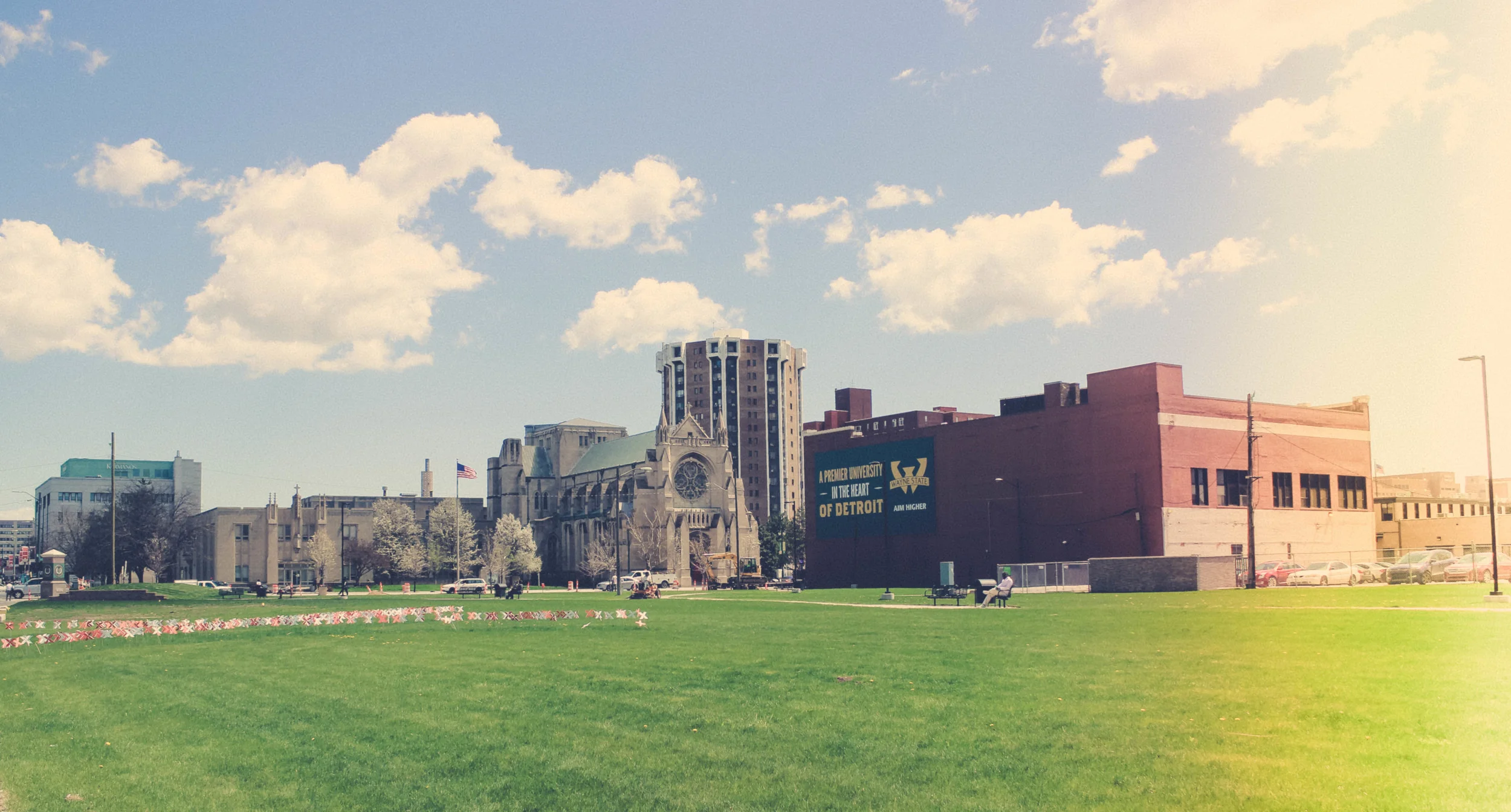
Detroit’s history of racial segregation; the white supremacist policies that degraded and razed black and brown communities while allowing white people to flourish; and the continued victimization of black and oppressed communities through evictions, gentrification, and other state practices of mass violence, make it a microcosm of our country’s larger issues. As Detroit moves into this new epoch I believe a formal transitional justice process should be established to acknowledges the true experiences of marginalized communities in Detroit and its surrounding suburbs.

Don't Call It A Comeback
by Eric Riley
When a white person coming to the city is unilaterally and unquestioningly held as the best thing for Detroit then we have a problem. It’s a problem because it heralds the young millennial white professionals and hipsters as heroes on the urban frontier, and the only people that have ever mattered for Detroit’s success. This romanticization of Detroit’s past almost always focuses on the near two million population figure and the abundance of jobs and businesses in the city. What’s left out is the part of the past filled with the murder of black and brown bodies, razing of historic communities, and the intense racial segregation.
Detroit and the Black Woman Condition
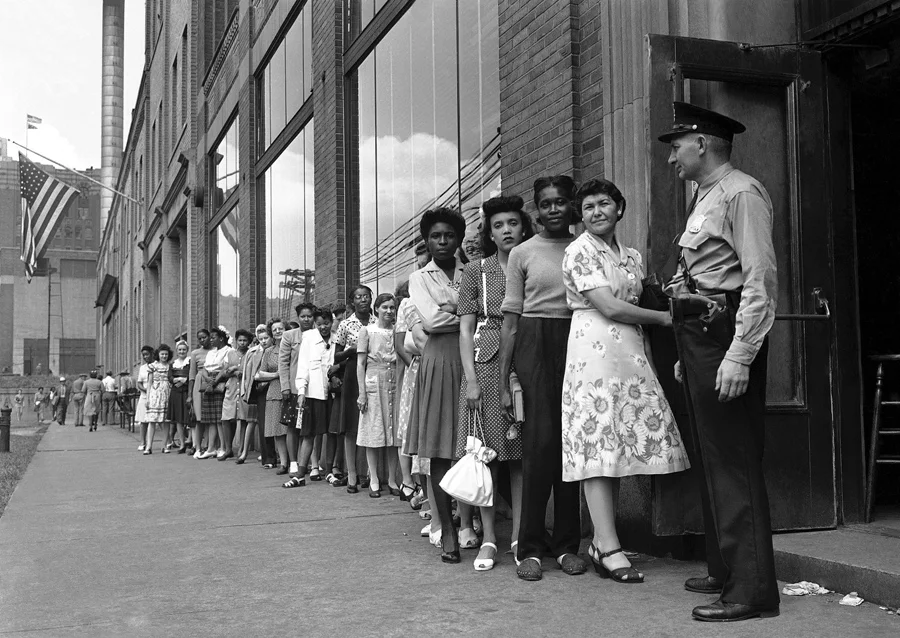
Historically, Black women have been one of the most marginalized groups in the United States. We are often left to lead, as one of my comrades would say, “a life of quiet desperation.” If we are vocal about our conditions, we are “angry Black women.” If we are silent about our conditions, we are “lazy Black women.” If we utilize the limited resources afforded to us as a result of our conditions, which are symptoms of white supremacist policies resulting in institutionalized racism, then we are “Black women looking for a handout.” The Black woman is a punching bag for the dominate culture - governed by capitalism, racism, materialism and militarism.
Duggan for Detroit: White Supremacy and Media Scrutiny
by Eric Riley
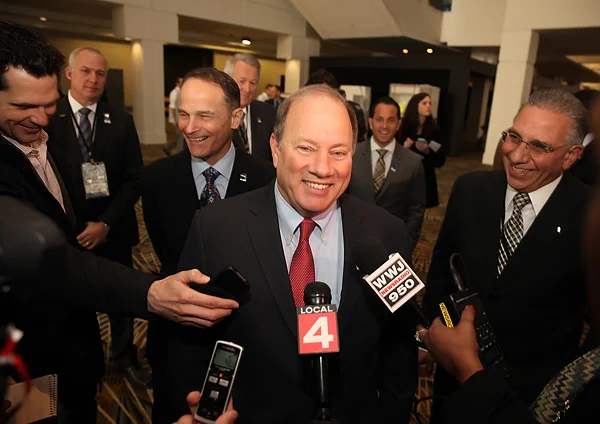
Lately there has been a trend in the most popular (i.e., corporate) media outlets in Detroit (WXYZ, Fox2, and the Free Press) in their astounding lack of investigation or substantive criticism of white male figures in power. For many the first white male power figure with media backing that comes to mind is Dan Gilbert, CEO of Quicken Loans and – according to any of the news outlets I’ve mentioned – the undisputed savior of the Motor City.
When The Youth Cry Out, We Must Respond
Boggs Center to Nurture Community Leadership
Our young people are breaking the silence and the rest of America needs to listen, look itself in the mirror and act. We stand in solidarity with Baltimore, Ferguson and all oppressed communities responding to police violence. Locally, we remember Aiyana Jones, Shelly “Treasure” Hilliard, Terrence Kellom and others who have lost their lives at the hands of police officers.
The time to break our silence and respond to the call from our young people is now. It is time to cry out for people, not property...
With Love Like This...
by Donna Givens
It seems that everybody loves Detroit’s children. We know they care because they’ve spent most of the past 16 years imposing anti-Democratic and financially reckless policies on Detroit’s public schools. They’re concerned about resources re-directed from the classrooms and into the pockets of greedy and corrupt local leaders; they are deeply disturbed by poor academic results. Detroit school teachers must be held accountable. Detroit parents, including those too poor to access other academic options, have a civil right to school choice. And the poorest of poor parents who survive off of meager public welfare benefits must be punished through the loss of subsistence income if their children fail to attend school on a regular basis.
The Devaluation of Detroit's Youth
by Donna Givens
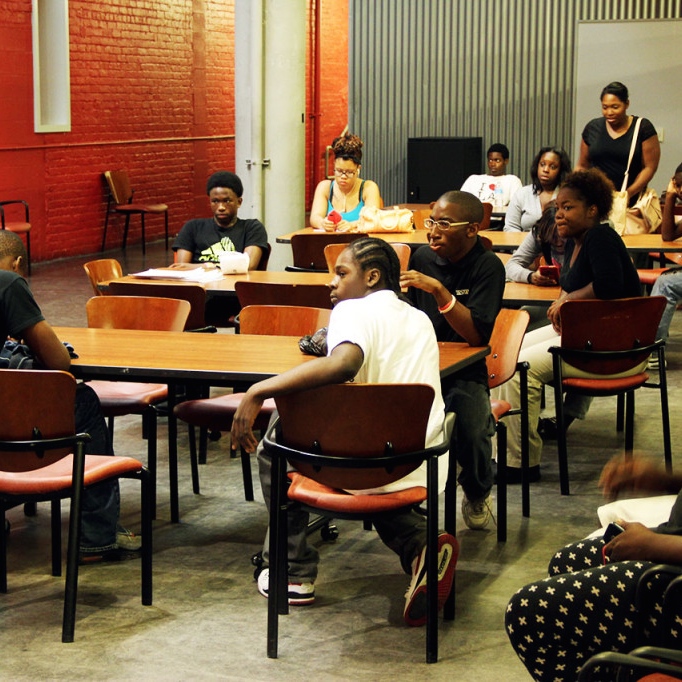
Young people live in a Detroit where they are feared, avoided, regulated, and frequently oppressed by a proliferation of rules and codes that are unrelated to their growth and wellbeing. Despite the ubiquitous claim that we love young people, Detroit’s youth are treated like deficits, discussed in reference to real and perceived deficiencies without any understanding of their strengths.
Land Dispossession and Disaster Capitalism: A Post Bankruptcy Detroit
by Dennis Black
While police brutality is one of the more politicized facets of state sanctioned violence, we must never forget this countries greatest act of sanctioned violence – the mass enslavement, torture, and genocide of African and Indigenous people in the United States. The backbone of U.S civil society was built through our free labor and social death, yet Detroit has one of the highest water rates in the country, the highest car insurance, the highest unemployment rates, and one of the nations highest high school drop out rates, and to top it off, we are the largest and most populated city occupied by Black people. Police violence is just one of many anti-black technologies wielded by the state to repress the upward mobility of our people.
The State of Black Detroit
by LaTonya Berry
Nandi’s Knowledge Cafe in Highland Park opened its doors to the community for a State of Black Detroit Address on the anniversary of Malcolm X’s assassination, this past Saturday, February 21st. Khary Wae Frazier, a Detroit advocate, organized the event to “honor the richness of Detroit’s Black history, Black family, and Black experience.” The address was the first installment in Frazier’s new approach at his “7 O’clock Saturday Stories” series, and featured author and freedom fighter, Yusef Shakur.
Mayor Duggan, Revitalization, and Things Unmentioned
by Eli Day
[It’s] been maddening to watch as the intellectuals, journalists, and upwardly mobile of Detroit participate in a bizarre specimen of hero worship: not only trumpeting the successes of Mayor Mike Duggan, but ritually veiling his shortcomings. To be clear, Duggan is not without credentials—his business and political acumen are obvious. The trouble with heroes is that when the time comes to be scrupulous about policy details there’s a collective reluctance to question their wisdom, perhaps for fear of revealing the limits of our own.
What the F@#! is Midtown?
by Eli Day
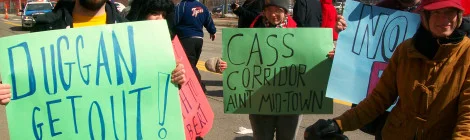
It shouldn’t have come as a surprise. By inviting an old friend to a Midtown bar I opened myself to a collision of worlds, or rather the recognition that one was being displaced by another. Together we had survived Detroit’s most devastated communities, and awkwardly traversed its most affluent. His response to my invitation was piercing: “What the fuck is Midtown?” It made sense in the most straightforward way: the area was long known as Cass Corridor to those familiar with its brutalized, but resilient history. Yet his query was as penetrating as it was plain.