

Eli Day is a contributor to Black Bottom Archives, regularly submitting pieces on Detroit, politics, and race & social justice.
Favorite thing to do in Detroit: "Probably the same as my earliest memories of Detroit - walking the neighborhoods, any and all, aimless & uncalculating."

by Eli Day
[It’s] been maddening to watch as the intellectuals, journalists, and upwardly mobile of Detroit participate in a bizarre specimen of hero worship: not only trumpeting the successes of Mayor Mike Duggan, but ritually veiling his shortcomings. To be clear, Duggan is not without credentials—his business and political acumen are obvious. The trouble with heroes is that when the time comes to be scrupulous about policy details there’s a collective reluctance to question their wisdom, perhaps for fear of revealing the limits of our own.

by Eli Day
It shouldn’t have come as a surprise. By inviting an old friend to a Midtown bar I opened myself to a collision of worlds, or rather the recognition that one was being displaced by another. Together we had survived Detroit’s most devastated communities, and awkwardly traversed its most affluent. His response to my invitation was piercing: “What the fuck is Midtown?” It made sense in the most straightforward way: the area was long known as Cass Corridor to those familiar with its brutalized, but resilient history. Yet his query was as penetrating as it was plain.
by Eli Day
With criminal justice reform figuring prominently in the early stages of 2016 Presidential race, its national moment has undeniably arrived. And with it our country’s march—or rather grueling slog—toward a system of greater humanity is rightfully celebrated. After all, we stand at the brink of repairing an institution that violently mocks American rhetoric about justice and equality. Excitement naturally flows from the near reversal of a policy hellscape that’s claimed the lives of so many.

by Eli Day
Change in America often occurs at an agonizingly sluggish pace. We’ve come to expect our republic to operate precisely in the ways anticipated and forewarned by its architects: refining itself gradually, in fits and starts, shot through with truculent deliberation and factional quarreling. Battle lines are no longer merely drawn—they’re etched irrevocably into the fabric of our political universe, thwarting any hope of rapid change.
by Eli Day
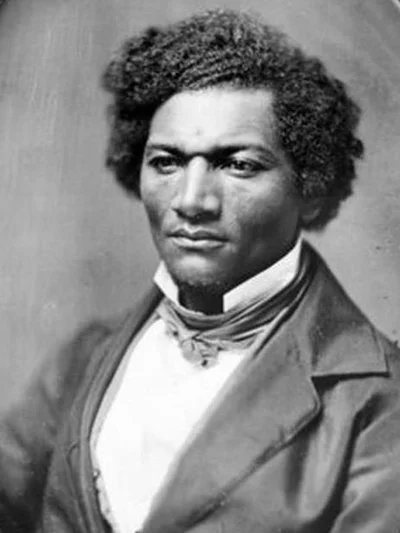
Our long praise of pragmatic thinkers is stained by our meager respect for the rebels who were never practical enough to accept what was coming for them. Visionaries who saw through “well that just isn’t practical” as the evidence of thoughtlessness working hard to disguise itself as wisdom. That people have an interest in the disguise is unsurprising. But as James Baldwin once quipped, “One wishes they would say so more often.”
by Eli Day
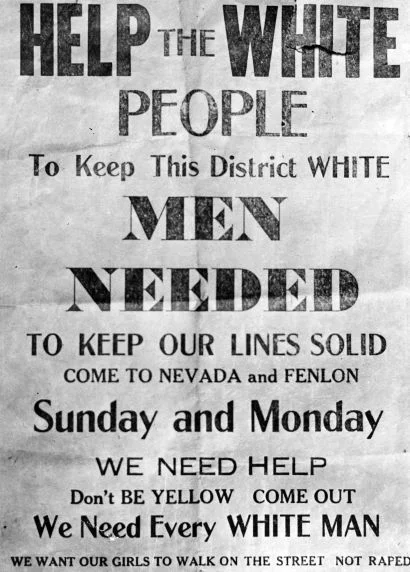
Mythology means never having to do the hard work of thinking, all while living safely in fantasy. But for black Detroit, rebranding the metro area as a haven of inclusion is little more than cheap varnish. It’s nostalgia for an era that never was. I wish it were otherwise, but the conquered can least afford the price of myth. The point isn’t that unity can never exist alongside tension; it's that unity, by definition, can never take hold where historical rifts remain.
by Eli Day
There's a revivalist lullaby being sung about Detroit--one that croons of a city lifting itself up and vanquishing the ghosts of its tortured history simply by looking past them. Yet even as it crescendos, longtime residents seem to have failed, or perhaps refused, to brim with the untrammeled hope the lullaby urges. We needn't labor in the dark as to why: there is no whistling past a history whose boot remains planted on your neck.