
Tawana 'Honeycomb' Petty is a regular Black Bottom Archives contributor, submitting pieces on Detroit's history of organizing, race & social justice. She is also a community organizer, working with organizations committed to the empowerment of Detroiters, including We the People of Detroit, People's Water Board Coalition, the Foundation of Women in Hip Hop, and the Detroit Digital Justice Coalition. Additionally, Tawana sits on the board of the James & Grace Lee Boggs Center.
Favorite thing to do in Detroit: "I am most comfortable building & struggling with my comrades for a better tomorrow. When I'm not doing that, I perform or go check out other artists' performances."
by Tawana Petty
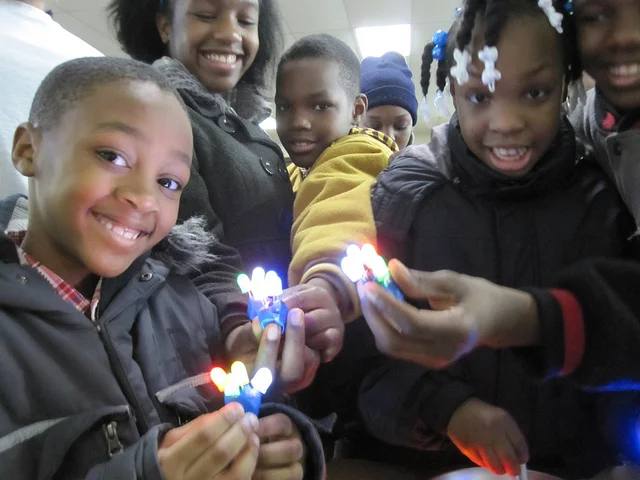
In just a few months, Detroit will boast one of the fastest internet speeds in the world. For those living in already invested in areas of Detroit like Mid-town, Woodbridge, Eastern Market, Corktown, New Center and Lafayette Park, this may be cause for celebration. Rocket Fiber purports to provide internet speeds “up to 1000 times faster than the average residential connection,” but what does that mean for a predominately Black city, ranked number two in internet disparity? Currently, approximately 40% of Detroit’s population lacks access to the internet.
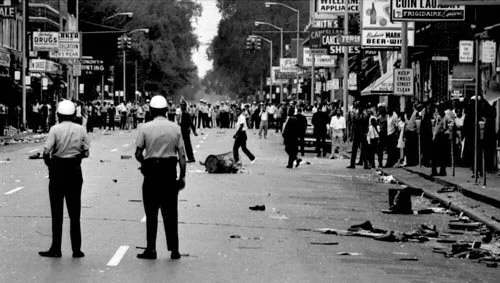
Last week I witnessed what happens when police officers are properly trained in de-escalation and when community members respond accordingly. A scene at the corner of my street, which at its height had at least 12 police cars and 20-30 community members, ended with no lives lost. I am cognizant of the fact that decades of organizing, was at least partially responsible for how the officers responded to the incident on my street.
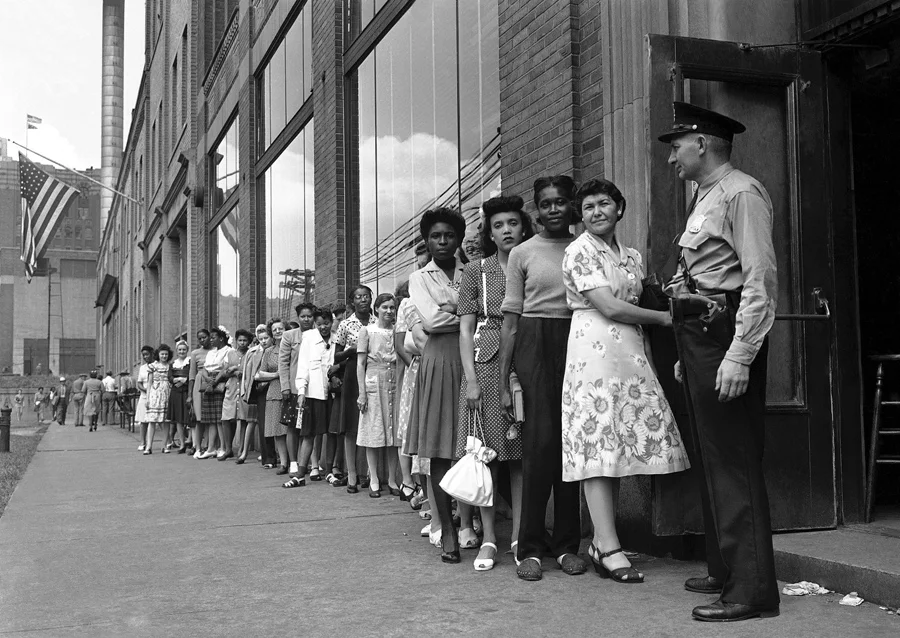
Historically, Black women have been one of the most marginalized groups in the United States. We are often left to lead, as one of my comrades would say, “a life of quiet desperation.” If we are vocal about our conditions, we are “angry Black women.” If we are silent about our conditions, we are “lazy Black women.” If we utilize the limited resources afforded to us as a result of our conditions, which are symptoms of white supremacist policies resulting in institutionalized racism, then we are “Black women looking for a handout.” The Black woman is a punching bag for the dominate culture - governed by capitalism, racism, materialism and militarism.
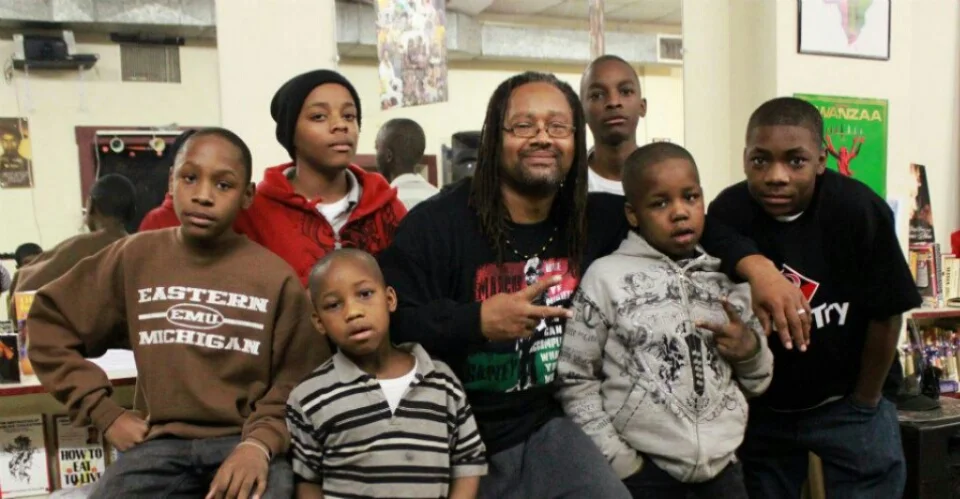
It is unfortunate that so many of our valuable community assets are left to the mercy of landlords who often fail to see the value in what we bring. Such is the case with Conscious Corner Cafe.
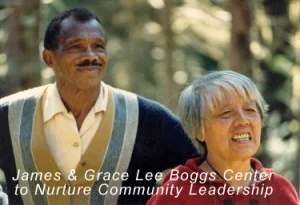
Boggs Center to Nurture Community Leadership
Our young people are breaking the silence and the rest of America needs to listen, look itself in the mirror and act. We stand in solidarity with Baltimore, Ferguson and all oppressed communities responding to police violence. Locally, we remember Aiyana Jones, Shelly “Treasure” Hilliard, Terrence Kellom and others who have lost their lives at the hands of police officers.
The time to break our silence and respond to the call from our young people is now. It is time to cry out for people, not property...
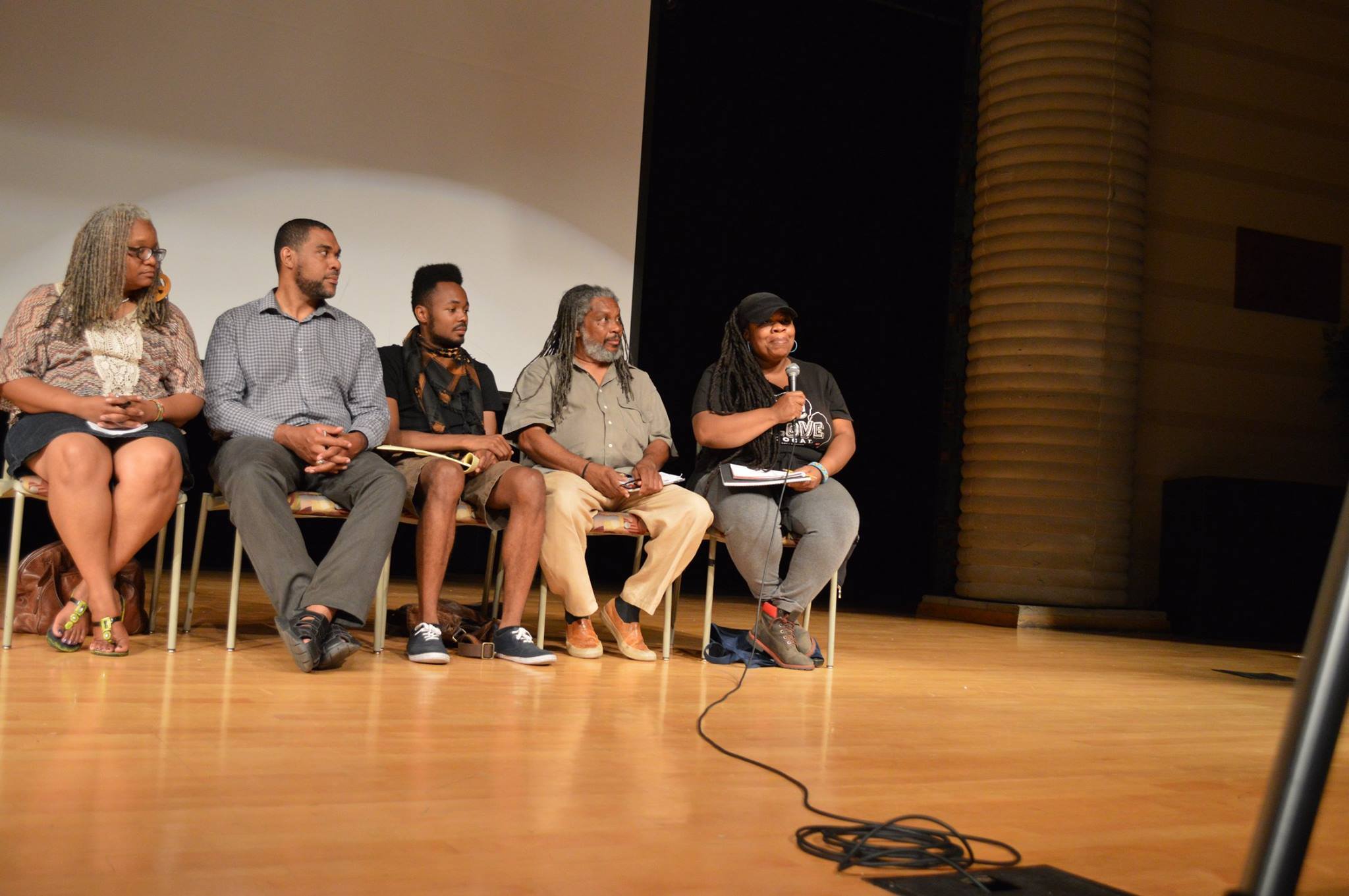
In May of this year, I traveled to Palestine in a small delegation for ten days. I had read about Palestine, and had even seen videos about the occupation, but I wasn’t mentally or emotionally prepared for the impact my trip would have on me. In fact, I am still processing my trip as I type this. I imagine I will be attempting to process my experiences in Palestine for years to come. However, unfortunately, because of the current climate of anti-Black racism in the United States, the extreme militarization and murders of unarmed Blacks by overzealous and racist police and vigilantes, and the use of water as a weapon - through mass shutoffs, towards Black people, I am not afforded an opportunity to place my work on hold awaiting the reconciliation of my emotions.
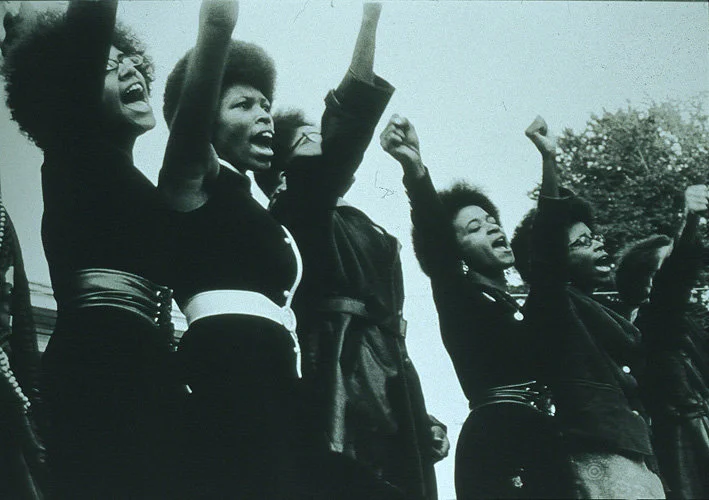
Historically, Black women’s visions have been stomped on in the struggle for liberation in this country. Their work has been co-opted, their intellectual property stolen and their voices made invisible behind the banner of Black male leadership. It is unfortunate that these types of assaults continue in the movement today.
by Tawana Petty
How are we defining revolution? If we look at the etymology of the word, in the 14th century, revolution spoke of celestial bodies. The very nature of the word addressed the revolving door of living beings throughout the history of the earth. Revolution was not an individual concept. It wasn't about humans dominating other species, the planet or each other, for survival. It wasn't about a race to the top, or about race at all. In its raw form, revolution was about our interdependence with all living beings, as well as the inevitable extinction of most.
by Tawana 'Honeycomb' Petty
From April 7th - 10th, I had the honor of co-coordinating, along with Emily Kawano from RIPESS, NA, a convergence of hundreds in Detroit for the North American Social Solidarity Economy Forum. It was the first time the Social Solidarity Economy Forum had been held in North America. Presenters and participants came from Cuba, Quebec, Spain, Jackson, MS, St. Louis, MO, New York and all across the globe. We also had many participants and presenters from Detroit who shared the work that Detroiters are doing locally, as well as their Detroit collaborations across the globe.