

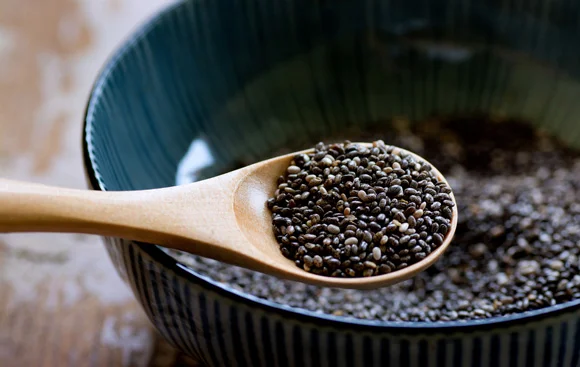
5 Ways to Add Chia Seeds to Your Daily Diet!
These super seeds are packed with fiber, adding a digestive benefit, and best of all, they're so easy to incorporate into your everyday diet. Check out 5 ways you can incorporate chia seeds into your diet below!
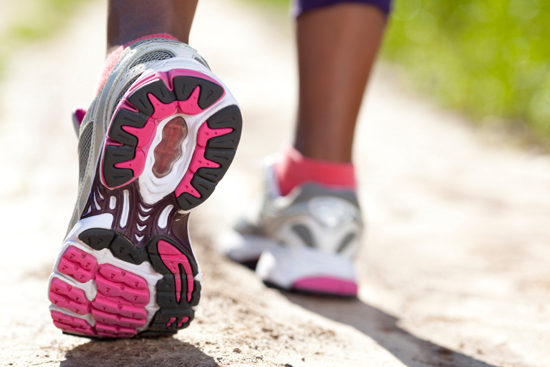
5 Reasons to get Running
Well, it's about that time again. The weather is getting nicer and those "summer bodies" are out in full force. All winter, you talked about working out, and maybe you even started... But then life happened, and the workouts got fewer and farther between. It's time for that to change! Here are 5 great reasons why you should always make time in your life to run!
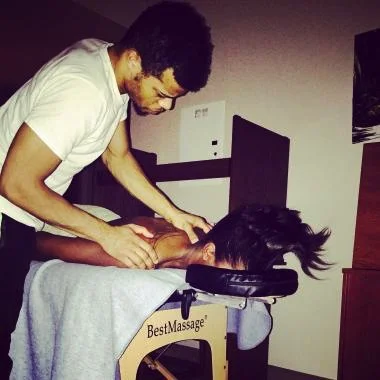
Maul Davis & The Alexander Technique
When we think of health and wellness, it is important to consider our health mentally and spiritually, in addition to the physical. The Alexander Massage Technique encompasses all three of these facets by reshaping the mental and engaging the spiritual in order to reposition the physical through various massages, stretching, and modifying our everyday movement habits.
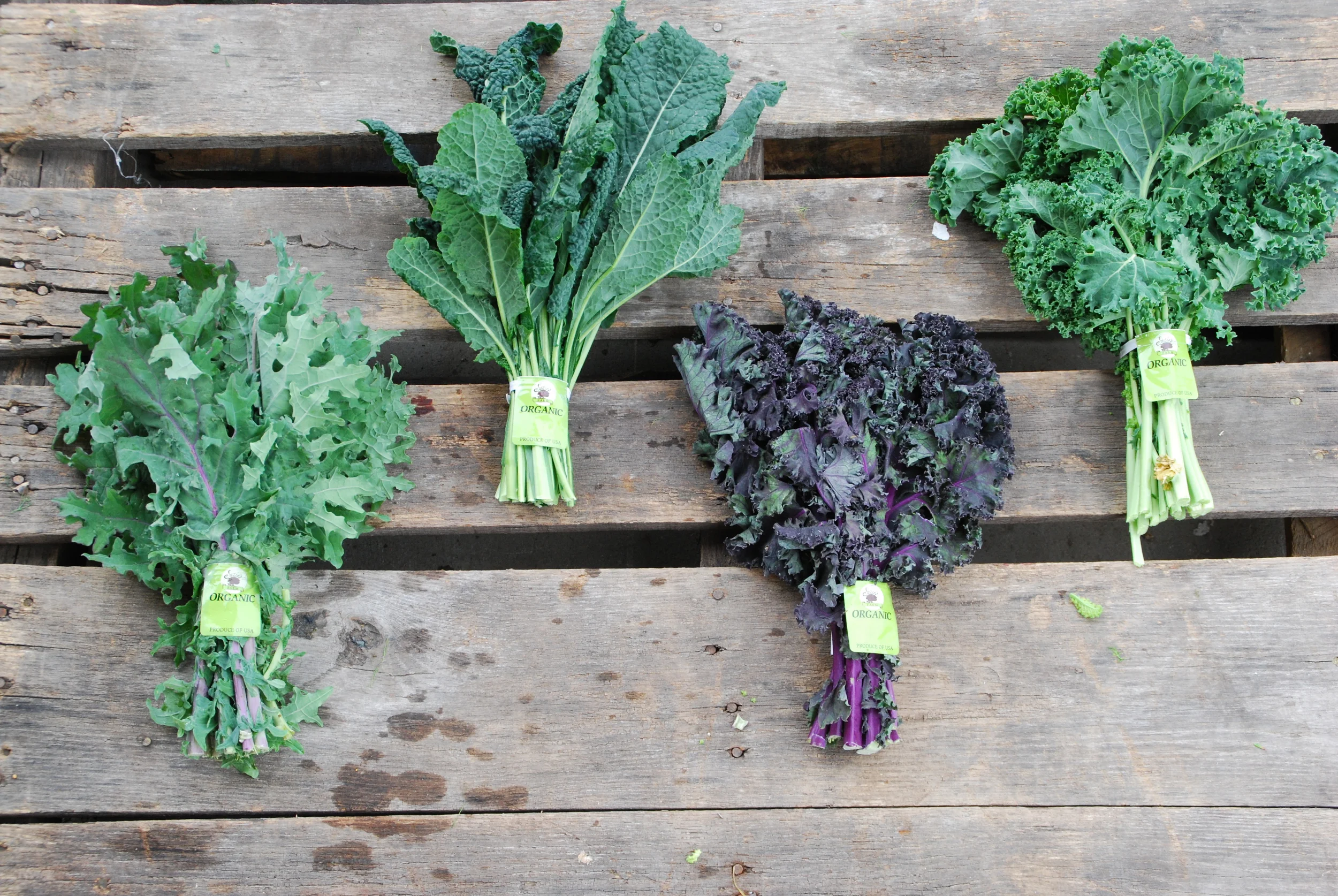
The Power of Kale
by Camille Johnson
Kale (borecole) is a cruciferous vegetable and belongs to the "cabbage" family, along with broccoli, cauliflower, brussels sprouts, and cabbage. This nutrient-dense, green superfood should be included in all of our diets. Check out the nutritional breakdown for 1 cup of kale.
Still Alice & The Necessity of Alzheimer's Advocacy
by Brittney Williams
Last week, I sat alone in a back row in the Michigan Theater, watching a special screening of Still Alice that was put together by the Alzheimer’s Association. Still Alice, which is based on a book of the same name, tells the story of a Columbia professor who is diagnosed with early-onset Alzheimer’s at the age of 50. When I found out about the movie about a year ago, I remember being elated to hear that finally, a story focusing on early-onset Alzheimer’s was being told. Often, Alzheimer’s is shown in media as a disease that only affects older people, or sometimes not even as a disease at all, but as a normal part of the later stages of aging, which it is not. My experience—and the experiences of millions of others, who have loved ones diagnosed at younger ages than usual—tells a very different story. My mother was 49 when diagnosed, and 54 when she passed away in 2013.